
In today’s fast-paced digital world, marketing has evolved beyond traditional advertisements and print media. Businesses — from small startups to global enterprises — now rely heavily on digital marketing to attract, engage, and convert customers. One of the best ways to understand how digital strategies work in real life is through digital marketing case studies.
These case studies serve as blueprints of success, showcasing real-world examples of how brands have used SEO, social media, email marketing, content creation, and paid advertising to achieve remarkable results. Whether you’re a business owner, digital marketer, or student, analyzing these examples helps you gain practical insights that theory alone can’t provide.
In this blog, we’ll explore what digital marketing case studies are, why they’re important, and highlight some of the most inspiring examples from across industries.
What Are Digital Marketing Case Studies?
A digital marketing case study is a detailed analysis of how a brand executed a marketing campaign using online strategies to achieve measurable goals. These goals can range from increasing website traffic and brand awareness to boosting sales and generating qualified leads.
Each case study usually covers:
- The objective or challenge faced by the brand.
- The digital strategy implemented.
- The execution process across channels like SEO, social media, or PPC.
- The results, supported by metrics such as ROI, traffic growth, engagement, and conversion rates.
- The lessons learned or takeaways for future campaigns.
In essence, case studies bridge the gap between theory and practice — showing what actually works in the digital space.
Why Are Digital Marketing Case Studies Important?
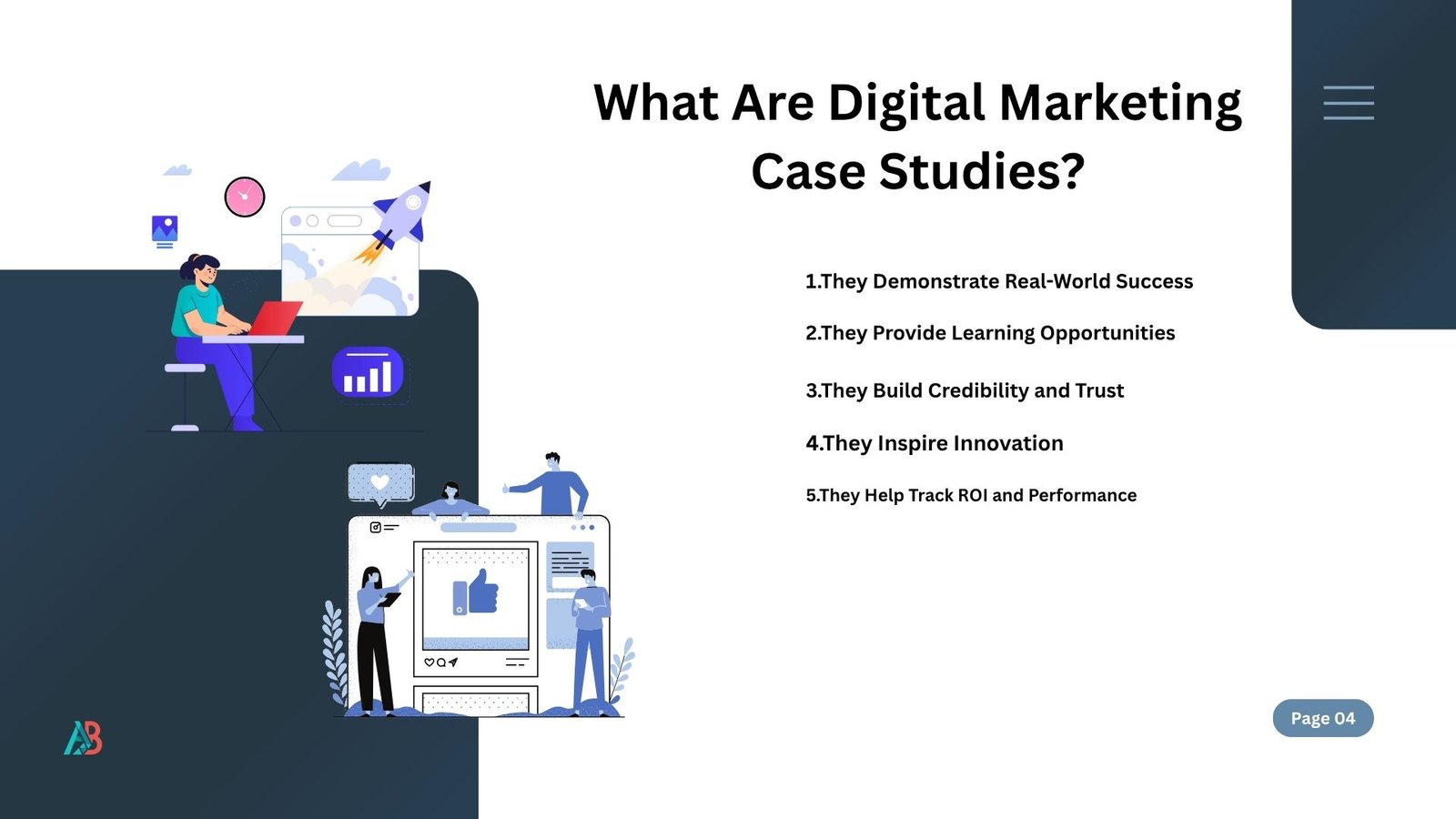
- They Demonstrate Real-World Success
Case studies go beyond marketing promises; they show proof of performance. When businesses see how others achieved success through digital channels, they gain confidence in adopting similar strategies. - They Provide Learning Opportunities
Every campaign — successful or not — offers valuable insights. Marketers can study these results to understand what worked, what didn’t, and why. - They Build Credibility and Trust
For agencies and freelancers, showcasing detailed digital marketing case studies can help attract clients. Real results backed by data are far more convincing than generic claims. - They Inspire Innovation
By learning from others’ creative campaigns, marketers can brainstorm new ideas, test different tools, and approach their audience in unique ways. - They Help Track ROI and Performance
Case studies serve as a record of measurable outcomes — helping brands justify their marketing investments and fine-tune their future campaigns.
Top Digital Marketing Case Studies to Learn From
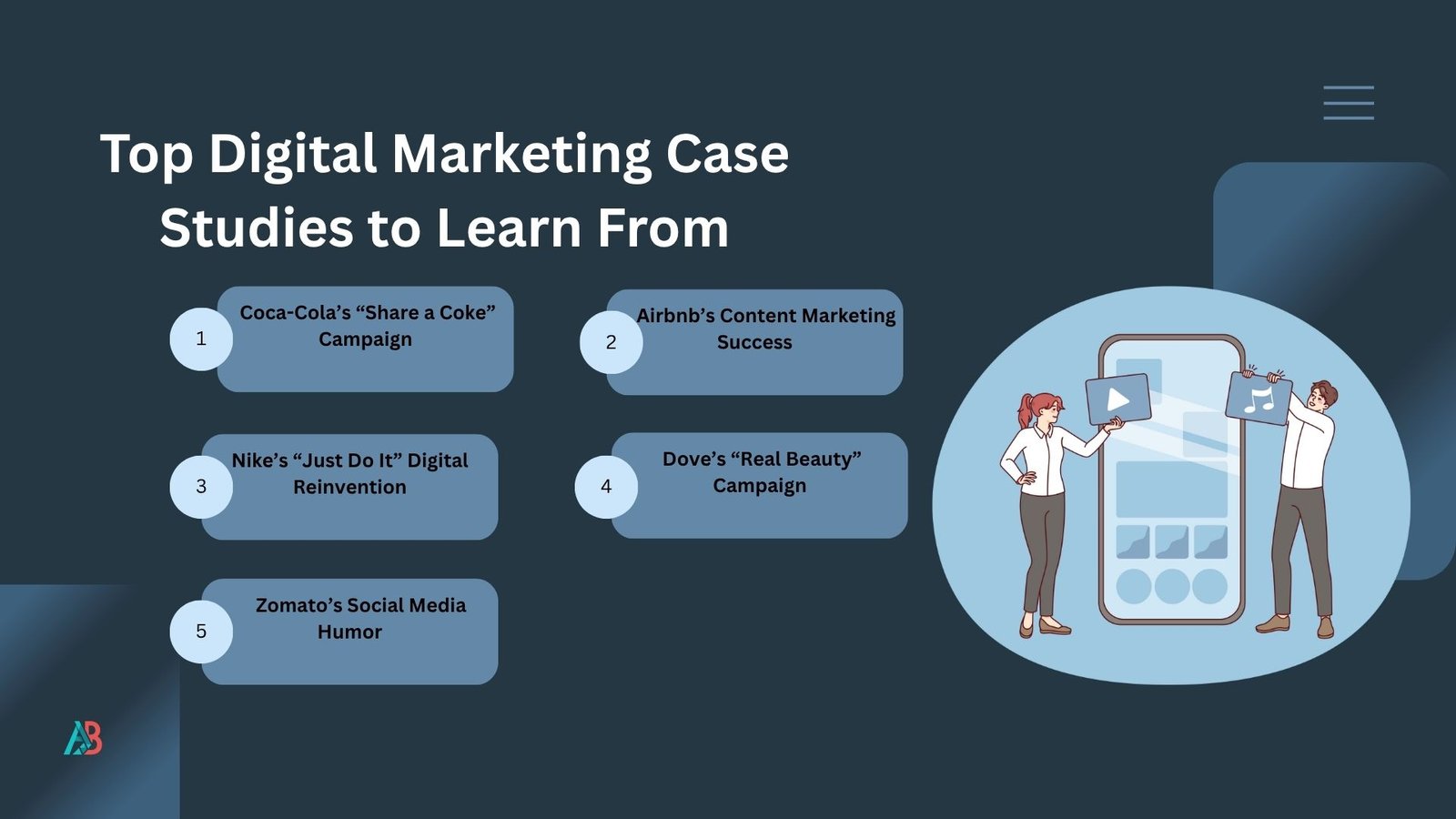
Let’s explore some of the most impactful digital marketing case studies from various industries that highlight creativity, data-driven strategies, and innovation.
1. Coca-Cola’s “Share a Coke” Campaign
Objective:
To increase brand engagement and personalize customer experience.
Strategy:
Coca-Cola replaced its iconic logo with popular first names on bottles and cans. This personalization encouraged people to find and share bottles with their names or friends’ names on social media.
Execution:
- Strong integration with social media platforms like Facebook and Instagram.
- Hashtag #ShareACoke went viral.
- Influencer collaborations and video marketing supported the campaign.
Results:
- Over 500,000 photos shared on social media.
- 7% increase in consumption among young adults.
- Significant boost in brand loyalty and emotional connection.
Key Takeaway:
Personalization and user-generated content can drive massive engagement and emotional brand connections.
2. Airbnb’s Content Marketing Success
Objective:
To establish trust and inspire travelers through authentic storytelling.
Strategy:
Airbnb created high-quality, user-driven content that showcased hosts, travelers, and local experiences — focusing on emotional storytelling rather than hard selling.
Execution:
- Leveraged SEO-optimized blog posts and social media visuals.
- Used video marketing to highlight destinations and experiences.
- Promoted stories through newsletters and social media.
Results:
- Millions of organic impressions on travel-related content.
- Increased website traffic and conversions through authentic engagement.
Key Takeaway:
Content marketing thrives on storytelling and emotional connection. Brands that communicate real experiences build trust and long-term loyalty.
3. Nike’s “Just Do It” Digital Reinvention
Objective:
To maintain relevance among digital-native audiences and boost engagement.
Strategy:
Nike integrated motivational storytelling with digital experiences — from influencer marketing to personalized fitness apps.
Execution:
- Created the Nike Training Club app and Nike Run Club app.
- Collaborated with micro-influencers and athletes on social media.
- Shared inspirational short videos across YouTube, Instagram, and TikTok.
Results:
- Over 45 million users engaged through the Nike apps.
- A significant rise in online sales and brand sentiment.
Key Takeaway:
Combining storytelling with technology-driven personalization keeps legacy brands relevant in the digital era.
4. Dove’s “Real Beauty” Campaign
Objective:
To redefine beauty standards and promote self-confidence among women.
Strategy:
Dove used emotional branding and viral video marketing to challenge unrealistic beauty norms.
Execution:
- Created short films like “Real Beauty Sketches.”
- Partnered with influencers to promote authenticity.
- Leveraged YouTube and Facebook for video distribution.
Results:
- Over 180 million views on YouTube.
- Massive social engagement and positive brand association.
Key Takeaway:
Purpose-driven marketing resonates deeply when aligned with brand values and executed authentically.
5. Zomato’s Social Media Humor
Objective:
To enhance brand engagement and audience interaction through humor.
Strategy:
Zomato adopted a witty, meme-based social media marketing approach to stand out in the crowded food delivery market.
Execution:
- Shared relatable, funny content on Instagram and X (Twitter).
- Timely responses to trending topics.
- Consistent use of brand voice and humor.
Results:
- Millions of social media followers.
- High engagement rates and organic brand visibility.
Key Takeaway:
Relatable humor and trend-based marketing can humanize brands and create strong digital communities.
Digital Marketing Case Studies by Channel
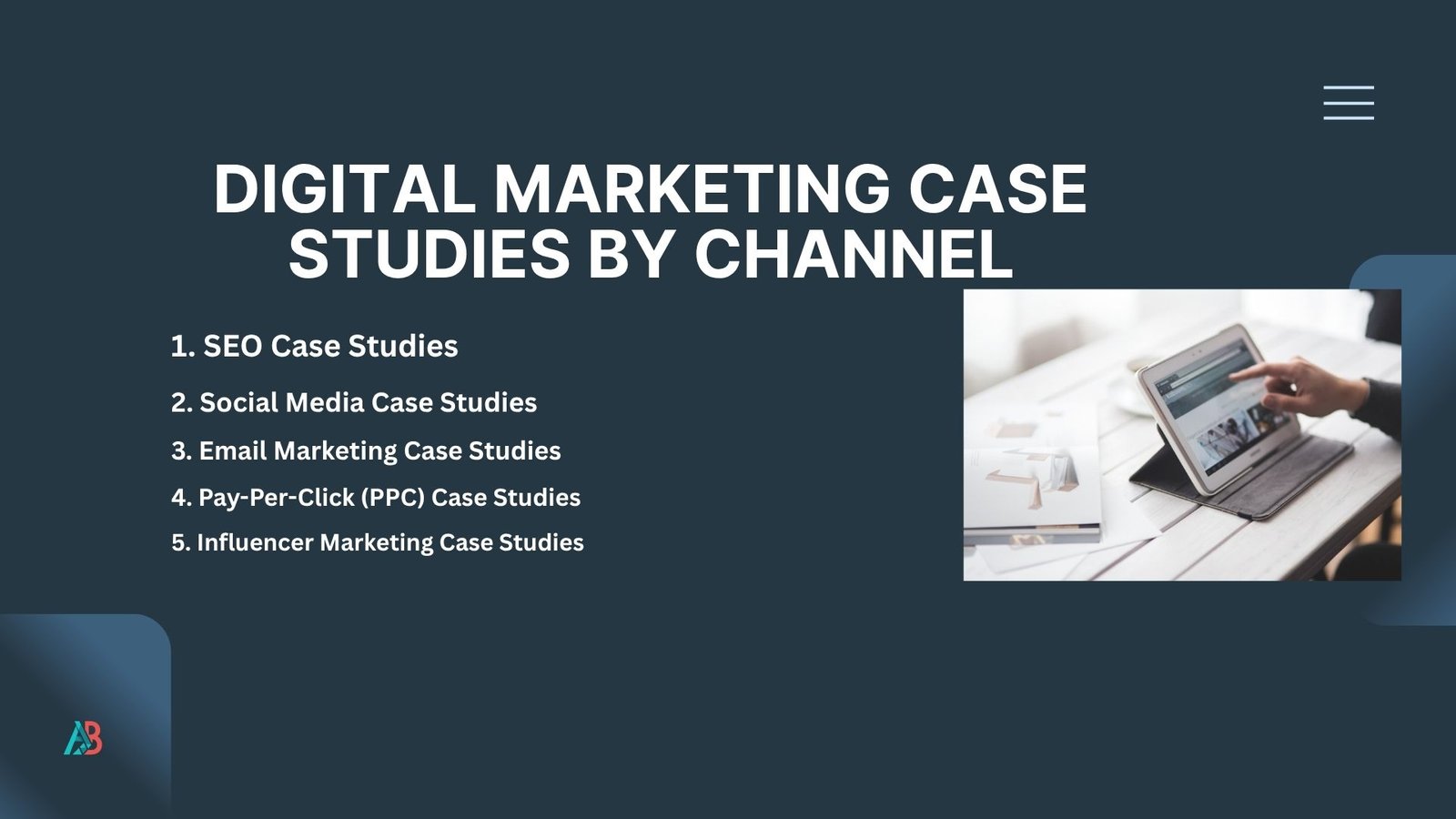
Let’s look at how case studies differ across major marketing channels.
1. SEO Case Studies
Example: HubSpot’s Inbound Marketing Approach
By consistently publishing keyword-optimized blogs and offering free resources, HubSpot increased its organic traffic by over 600% in just one year.
Lesson: SEO success requires consistent, high-quality, and value-driven content.
2. Social Media Case Studies
Example: Wendy’s Twitter Roast Campaign
Wendy’s witty comebacks made their Twitter feed viral — boosting brand visibility and engagement.
Lesson: Authentic voice and humor can make your social presence memorable.
3. Email Marketing Case Studies
Example: BuzzFeed Newsletter Strategy
BuzzFeed built highly segmented email lists and created catchy headlines, leading to an average 40% open rate.
Lesson: Personalization and value-driven content increase email engagement.
4. Pay-Per-Click (PPC) Case Studies
Example: WordStream’s PPC Optimization
By A/B testing ad copies and refining targeting, WordStream reduced CPC by 30% and increased conversion rates.
Lesson: Continuous optimization is key to PPC success.
5. Influencer Marketing Case Studies
Example: Daniel Wellington Watches
The brand used micro-influencers to promote its stylish watches, creating a massive global presence without heavy traditional advertising.
Lesson: Influencer collaborations can offer high ROI when paired with a clear brand message.
How to Create Your Own Digital Marketing Case Study

If you’re a marketer or agency, creating and publishing case studies can boost your authority. Creating your own digital marketing case study is one of the most effective ways to showcase your expertise and build credibility as a marketer or agency. Start by selecting a campaign that delivered measurable success — such as a boost in traffic, conversions, or brand visibility. Clearly define the challenge your client faced, followed by the strategy you used to solve it. Describe the step-by-step execution process, highlighting tools, platforms, and creative techniques that contributed to the outcome. Include authentic data, such as analytics reports or engagement metrics, to demonstrate real results. Visuals like screenshots, charts, and before-and-after comparisons make your case study more compelling and easy to understand. Finally, conclude with key takeaways that show what you learned from the project and how others can apply those insights. A well-structured digital marketing case study not only proves your results but also positions you as a trusted expert who understands how to turn strategy into success.
- Choose a Notable Campaign
Select one that achieved measurable success and aligns with your target audience. - Define the Objective Clearly
What problem were you solving? Define your KPIs (traffic, engagement, leads, etc.). - Explain the Strategy
Describe your digital approach — SEO, content marketing, PPC, or social media. - Share the Execution Steps
Include tools used, audience targeting, creatives, and timeline. - Highlight the Results
Present real metrics like CTR, ROI, engagement, or conversion rates. - Add Visuals and Graphs
Charts and screenshots make your case study visually appealing and credible. - Conclude with Key Takeaways
Summarize what others can learn or replicate from your success.
Future of Digital Marketing Case Studies
The future of digital marketing case studies is evolving rapidly as technology, data analytics, and consumer behavior continue to change. In the coming years, we can expect case studies to become more interactive, data-driven, and personalized
- AI-driven insights: Campaigns will increasingly use predictive analytics to measure performance.
- Interactive case studies: Video-based storytelling will dominate over plain text.
- Data transparency: Brands will prioritize sharing authentic metrics to build trust.
- Niche segmentation: More micro-case studies tailored to specific industries or audiences.
Conclusion
Digital marketing case studies are more than just success stories — they’re powerful learning tools that reveal the strategies, creativity, and analytics behind brand growth. Whether you’re exploring social media marketing, SEO, or influencer campaigns, these examples serve as real-world guides to what works in digital marketing today.