
The digital revolution has reshaped how businesses connect with customers. Every click, search, or social share is now part of a massive marketing ecosystem. The scope of digital marketing today is broader and more dynamic than ever before. From startups to multinational corporations, everyone relies on digital channels to attract, engage, and retain their audience.
In this post, we’ll explore the scope of digital marketing in 2025 and beyond, uncovering its growing importance, key trends, emerging career paths, and the global opportunities it offers. Whether you’re a student, marketer, or entrepreneur, understanding this landscape is the first step toward digital success.
What Is Digital Marketing?
Digital marketing encompasses all marketing activities that utilize electronic devices or the internet. It includes search engines, social media, email, websites, and mobile apps to promote products and services. Unlike traditional marketing, digital marketing provides measurable results, real-time analytics, and global reach.
Core components of digital marketing include:
- Search Engine Optimization (SEO): Improving visibility on search engines.
- Content Marketing: Creating valuable content to attract and engage an audience.
- Social Media Marketing: Promoting through platforms like Facebook, Instagram, LinkedIn, and TikTok.
- Pay-Per-Click Advertising (PPC): Running paid ads on search engines or social platforms.
- Email Marketing: Direct communication with prospects and customers.
- Affiliate and Influencer Marketing: Partnering with affiliates or influencers to boost reach.
Each of these elements contributes to a brand’s overall online presence and helps achieve business objectives more effectively.
The Expanding Scope of Digital Marketing
The scope of digital marketing is expanding rapidly due to technological advancements and changing consumer behavior. As more people come online, businesses are shifting their marketing budgets from traditional to digital platforms. Here’s why digital marketing continues to grow:
- Increased Internet Penetration: Over 5 billion people worldwide now use the internet daily.
- Rise of Mobile Usage: Smartphones are the primary devices for online activity.
- Data-Driven Decision Making: Analytics tools allow marketers to optimize campaigns in real time.
- Personalization: Brands can now deliver tailored experiences to every customer.
- Global Reach: Digital platforms connect businesses to audiences beyond geographical boundaries.
This growth isn’t slowing down — in fact, digital marketing spending is expected to surpass $700 billion globally by 2025, making it one of the fastest-growing industries in the modern economy.
Why Digital Marketing Is the Future of Business
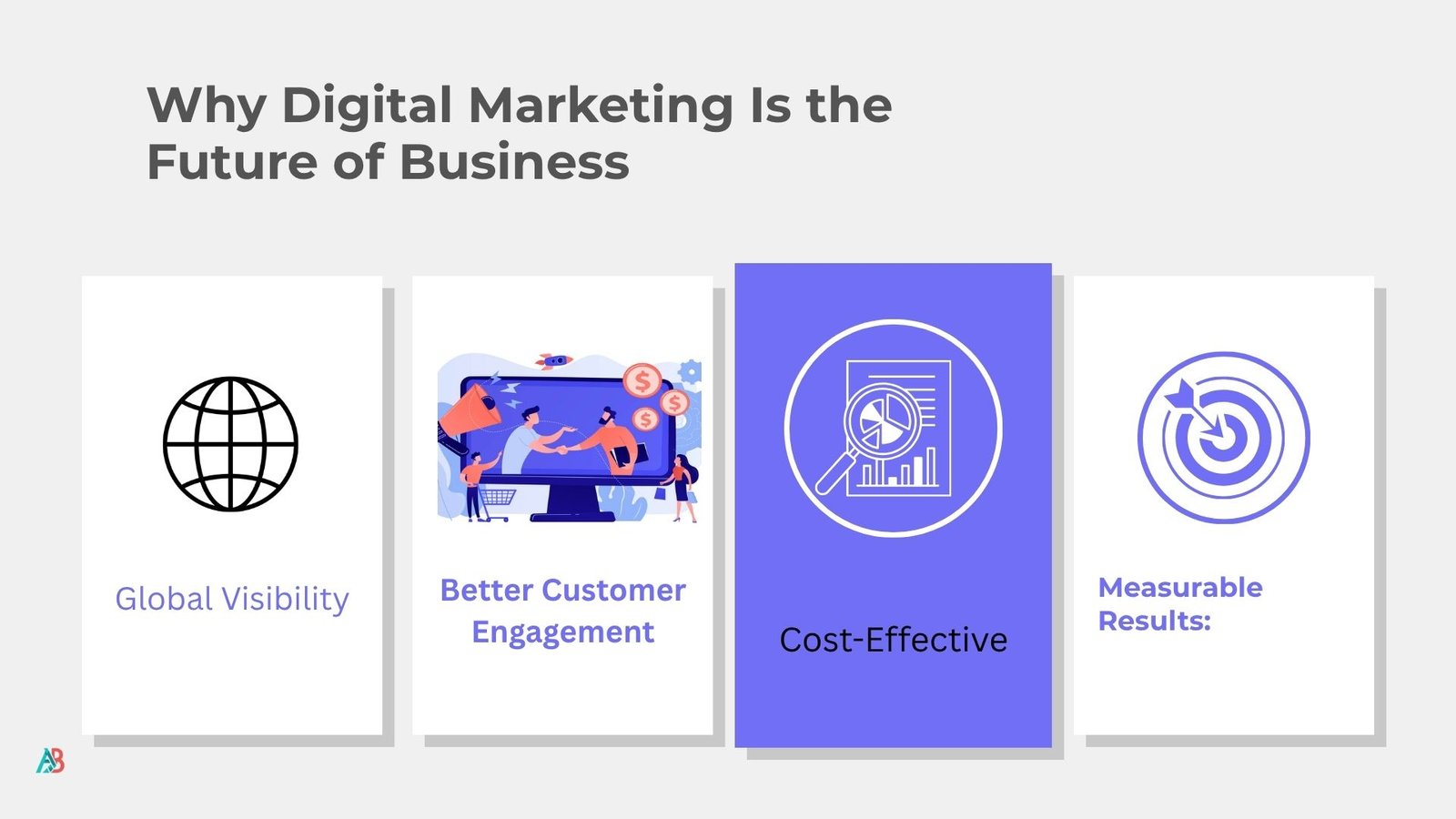
The future of business lies in the digital realm. Companies that fail to embrace online marketing risk losing relevance. Here’s why the scope of digital marketing is intertwined with business growth:
- Cost-Effective: Digital marketing is far more affordable than traditional advertising.
- Measurable Results: Tools like Google Analytics and Facebook Insights provide precise data.
- Better Customer Engagement: Real-time interactions build trust and loyalty.
- Enhanced Targeting: Marketers can target specific demographics or interests.
- Global Visibility: Even small businesses can compete on a global scale.
In a world where attention spans are short, and competition is fierce, digital marketing provides the edge businesses need to thrive.
Key Areas Defining the Scope of Digital Marketing
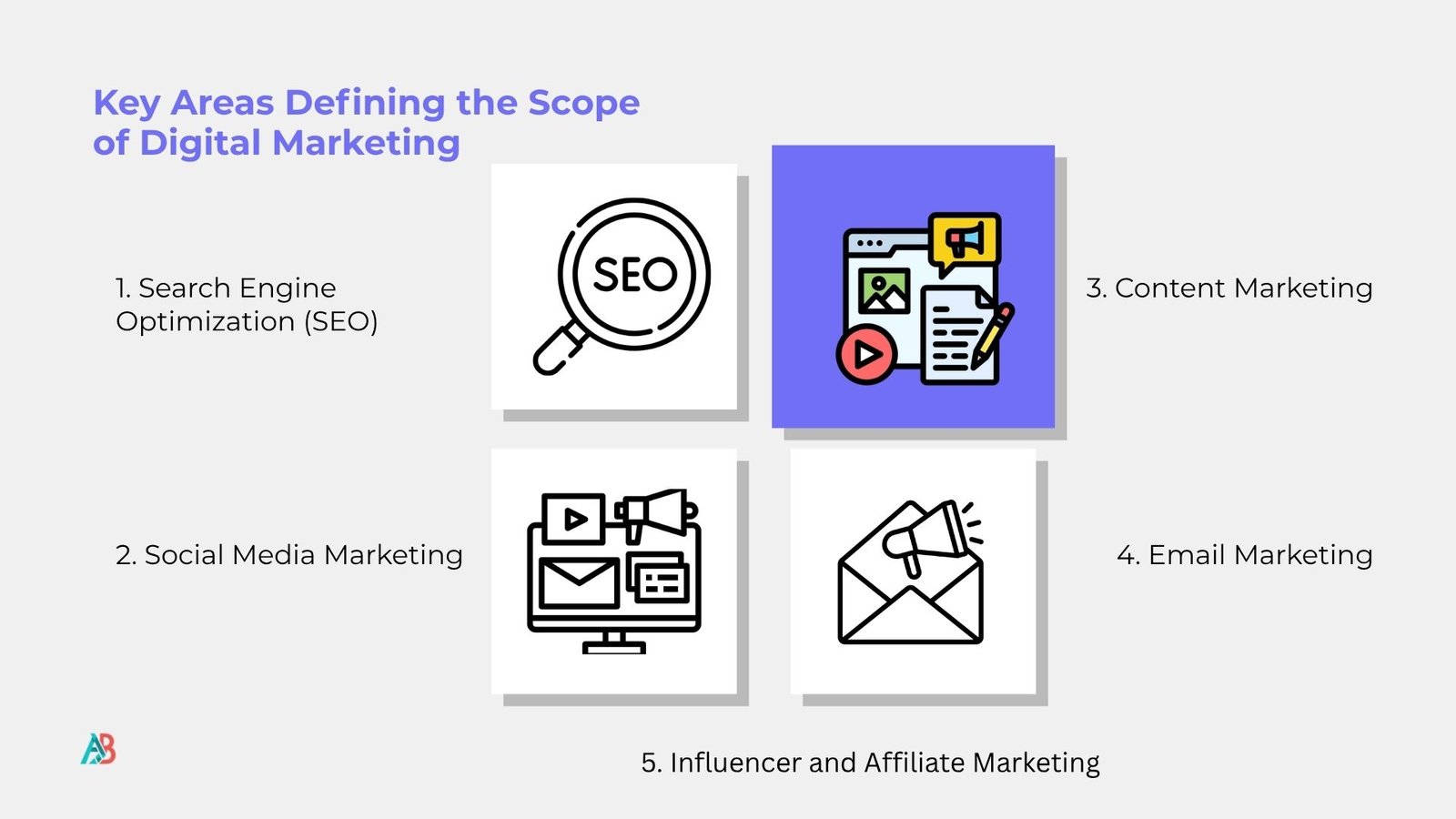
Let’s break down the most crucial areas contributing to the vast scope of digital marketing in today’s market:
1. Search Engine Optimization (SEO)
SEO remains the cornerstone of online marketing. It helps websites rank higher in search results, driving organic traffic without paid ads. With Google’s evolving algorithms, SEO now includes:
- Voice search optimization
- Mobile-first indexing
- AI-driven ranking signals
- Core Web Vitals optimization
SEO’s long-term benefits make it one of the most sustainable digital marketing strategies.
2. Social Media Marketing
With billions of users across platforms, social media has become a powerful branding tool. Companies use platforms like Instagram, TikTok, and LinkedIn for storytelling, product launches, and influencer collaborations. The scope of social media marketing is expanding with:
- Short-form videos
- AI-driven content creation
- Social commerce integrations
3. Content Marketing
“Content is king” — and it continues to reign supreme. Blogs, podcasts, videos, and infographics form the foundation of a solid content marketing strategy. In 2025, AI tools are making it easier to create high-quality, SEO-friendly content at scale.
4. Email Marketing
Despite being one of the oldest digital channels, email marketing remains a top performer in ROI. Personalized email campaigns can increase conversions and customer retention significantly.
5. Influencer and Affiliate Marketing
Influencers play a huge role in shaping consumer opinions. Collaborating with them boosts brand visibility, especially among Gen Z audiences. Similarly, affiliate programs help expand reach through commission-based promotions.
The Career Scope of Digital Marketing
The demand for skilled digital marketers is soaring. Businesses seek professionals who can craft strategies, analyze data, and manage campaigns effectively. Popular career paths include:
- SEO Specialist
- Content Strategist
- Social Media Manager
- PPC (Google Ads) Expert
- Email Marketing Manager
- Digital Marketing Analyst
- E-commerce Specialist
Average salaries in digital marketing vary based on expertise and region, but professionals often earn significantly more than traditional marketing roles due to high demand and measurable impact.
Industries Benefiting from Digital Marketing
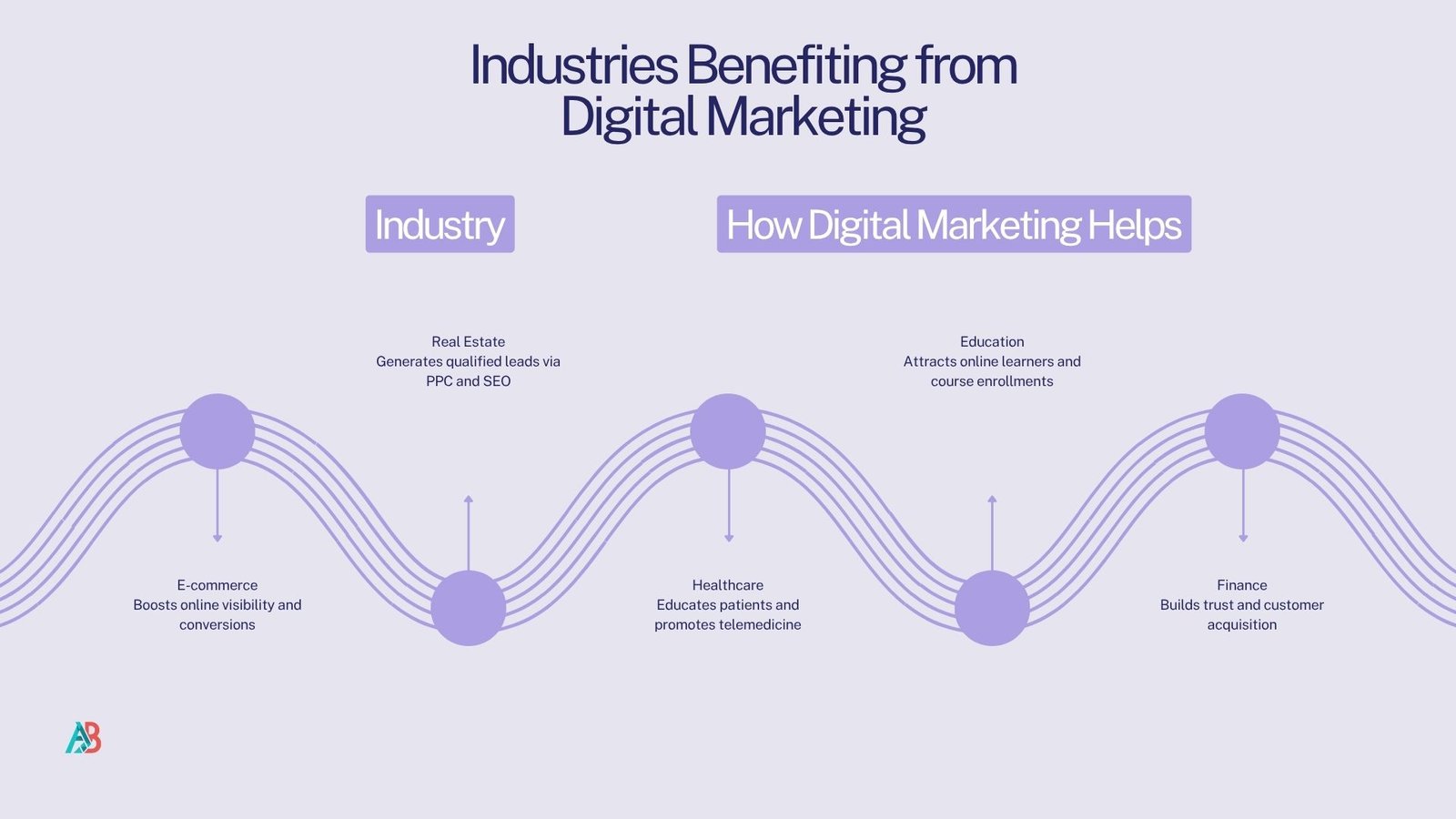
Virtually every industry now leverages digital marketing for growth. Top sectors include:
Industry |
How Digital Marketing Helps |
| E-commerce | Boosts online visibility and conversions |
| Real Estate | Generates qualified leads via PPC and SEO |
| Healthcare | Educates patients and promotes telemedicine |
| Education | Attracts online learners and course enrollments |
| Finance | Builds trust and customer acquisition |
| Travel | Enhances online bookings and reviews |
The scope of digital marketing continues to diversify as emerging industries — like renewable energy, AI startups, and blockchain — embrace digital-first strategies.
Emerging Trends Shaping the Future of Digital Marketing
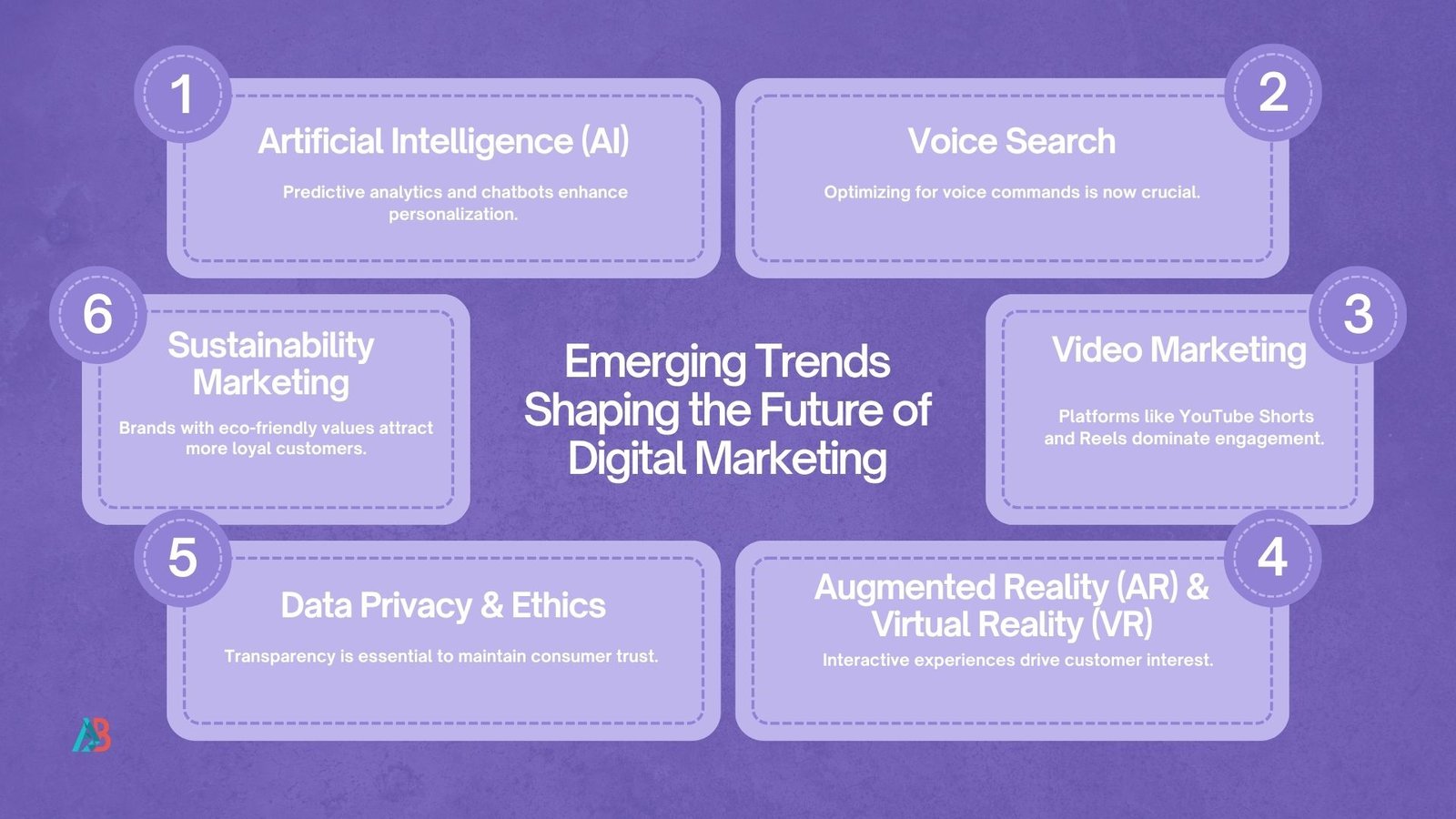
To stay competitive, marketers must adapt to evolving trends. The next wave of digital transformation includes:
- Artificial Intelligence (AI): Predictive analytics and chatbots enhance personalization.
- Voice Search: Optimizing for voice commands is now crucial.
- Video Marketing: Platforms like YouTube Shorts and Reels dominate engagement.
- Augmented Reality (AR) & Virtual Reality (VR): Interactive experiences drive customer interest.
- Data Privacy & Ethics: Transparency is essential to maintain consumer trust.
- Sustainability Marketing: Brands with eco-friendly values attract more loyal customers.
These innovations redefine how marketers connect with audiences and measure impact.
Educational Scope and Learning Opportunities
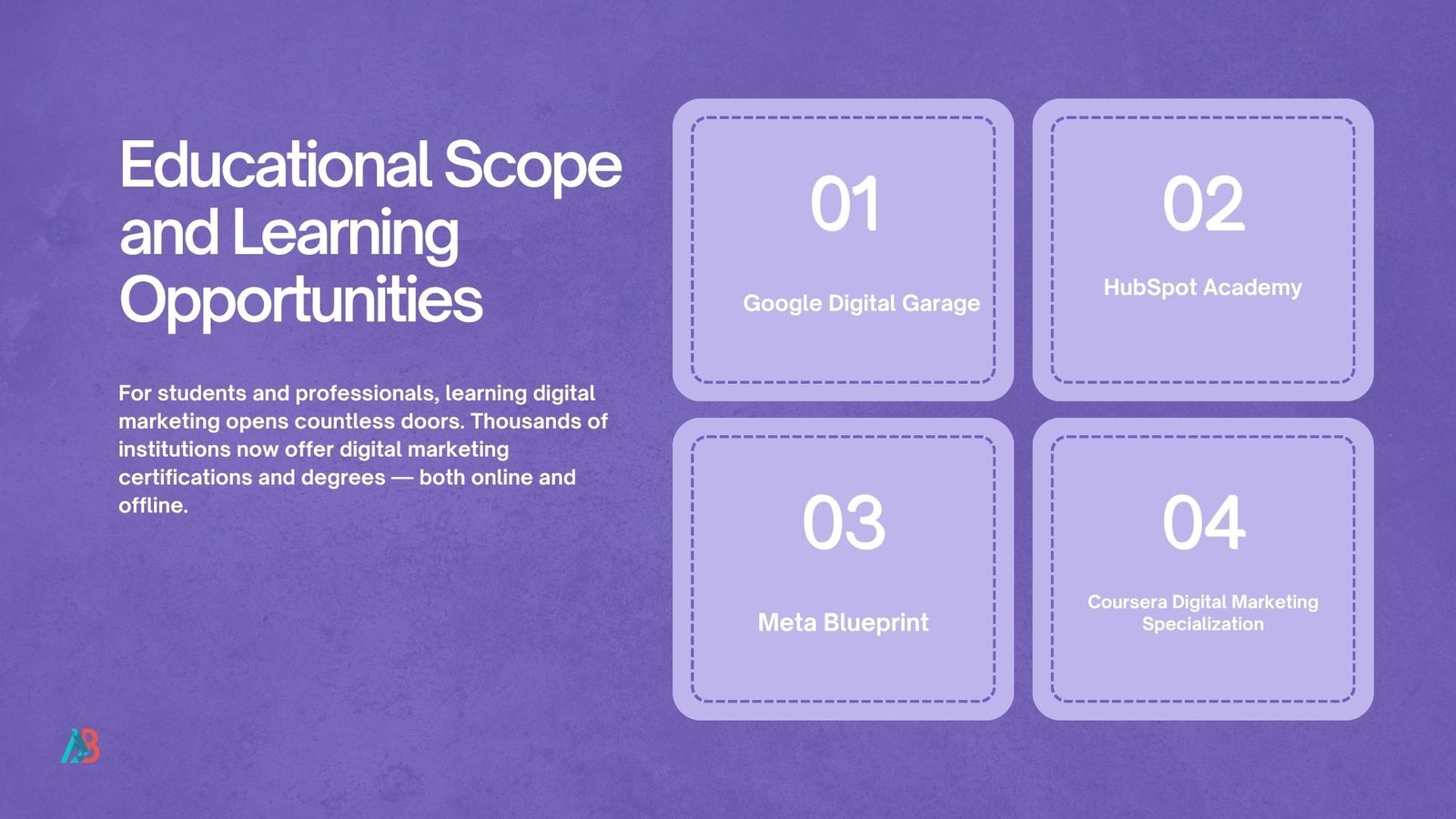
For students and professionals, learning digital marketing opens countless doors. Thousands of institutions now offer digital marketing certifications and degrees — both online and offline.
Top certifications include:
- Google Digital Garage
- HubSpot Academy
- Meta Blueprint
- Coursera Digital Marketing Specialization
Acquiring these credentials boosts employability and demonstrates mastery of modern marketing tools.
Challenges in Digital Marketing
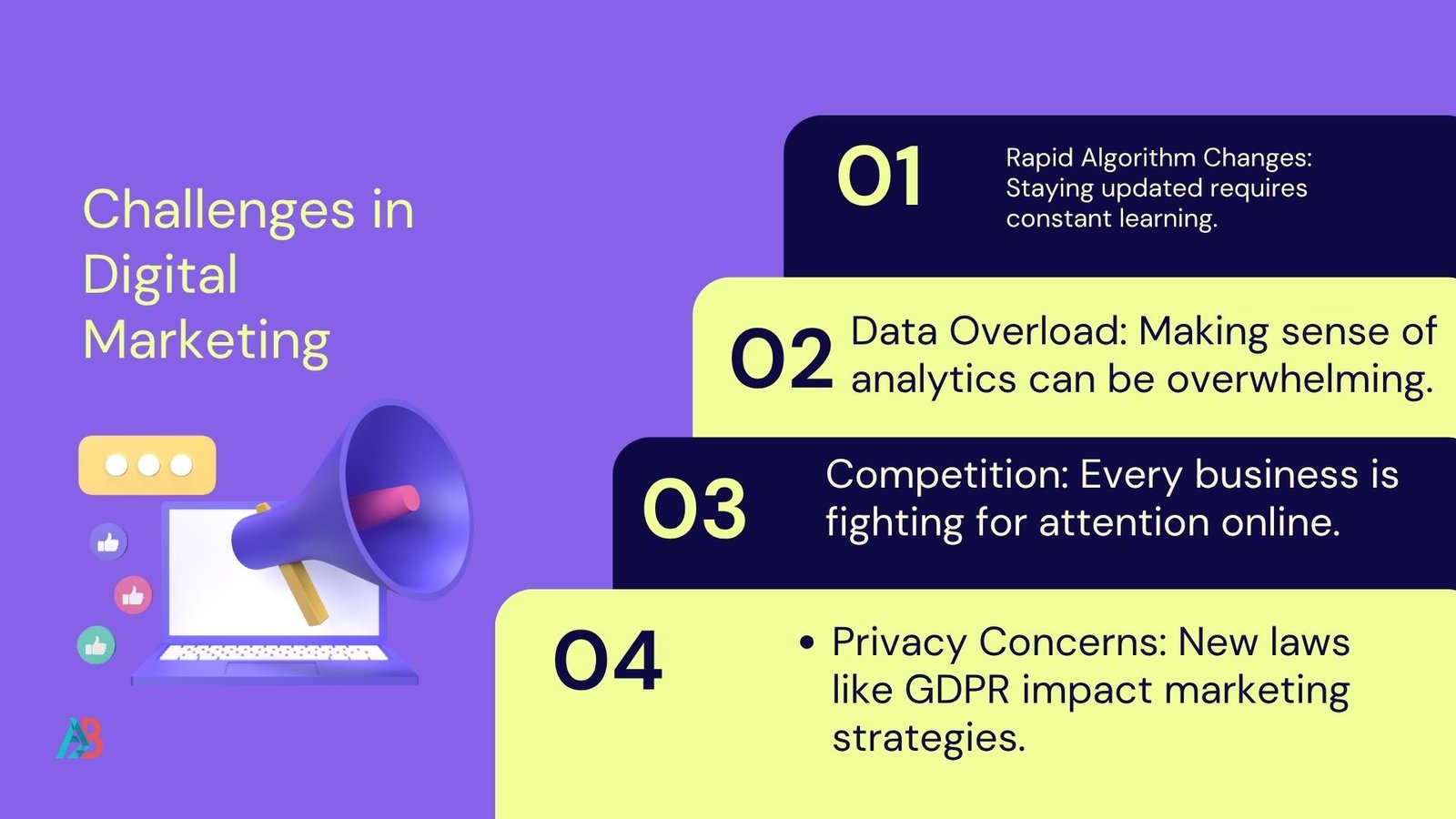
While opportunities abound, challenges persist:
- Rapid Algorithm Changes: Staying updated requires constant learning.
- Data Overload: Making sense of analytics can be overwhelming.
- Competition: Every business is fighting for attention online.
- Privacy Concerns: New laws like GDPR impact marketing strategies.
However, with adaptability and continuous learning, marketers can overcome these challenges and thrive.
The Global Impact of Digital Marketing
The scope of digital marketing extends beyond borders. It has created a global economy where small startups compete with Fortune 500 companies. Businesses in developing nations are now reaching global customers, thanks to social media and e-commerce platforms.
Moreover, the gig economy has flourished — freelancers, agencies, and remote workers are finding opportunities like never before.
The Role of Artificial Intelligence in Expanding the Scope of Digital Marketing
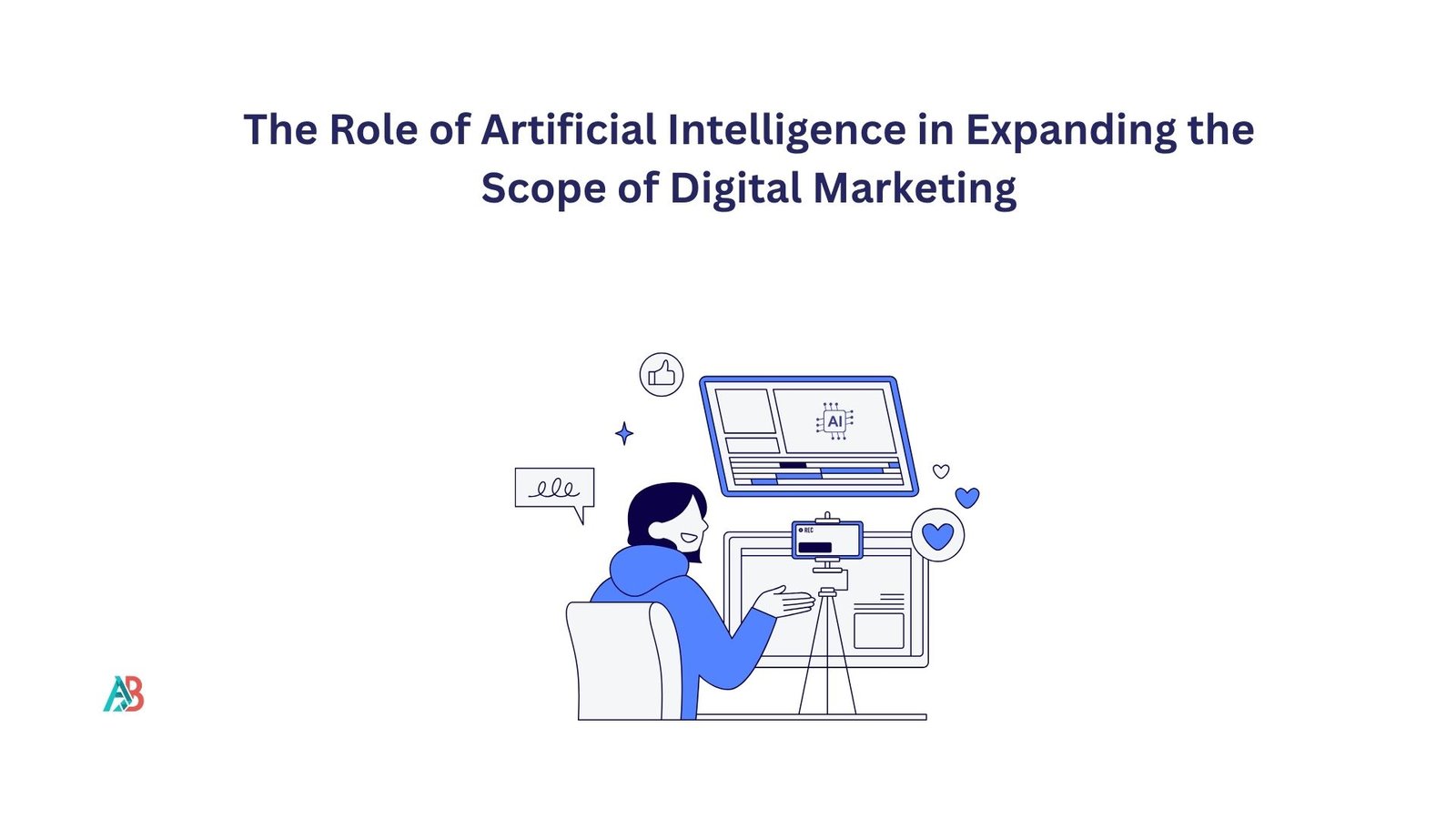
Artificial Intelligence (AI) has become a game-changer in digital marketing. From predictive analytics to personalized content delivery, AI is revolutionizing how brands communicate with their audiences. The scope of digital marketing has significantly widened thanks to AI tools that automate tasks, improve efficiency, and analyze consumer behavior in real time.
AI-powered chatbots, for instance, provide instant responses and assist customers 24/7, enhancing engagement and satisfaction. Similarly, AI-based recommendation engines (like those used by Amazon and Netflix) personalize product and content suggestions, boosting conversions.
Moreover, machine learning helps marketers understand user patterns and predict future trends, enabling smarter ad targeting. As AI continues to evolve, it will further expand the scope of digital marketing by making marketing campaigns more intelligent, cost-effective, and result-driven.
How the Scope of Digital Marketing Benefits Small Businesses
One of the most transformative aspects of the scope of digital marketing is its accessibility to small and medium-sized enterprises (SMEs). Unlike traditional advertising, which often demands a large budget, digital marketing levels the playing field. Even small businesses can reach a global audience with minimal investment.
Through SEO, local businesses can appear in search results when customers nearby look for products or services. Social media platforms like Instagram and Facebook allow small brands to build communities, run targeted ads, and interact directly with customers.
For example, a local bakery can use Google My Business to attract walk-in customers, post behind-the-scenes videos on Instagram, and run a low-cost Facebook ad to promote seasonal offers. These simple yet powerful strategies highlight the inclusive and democratized scope of digital marketing today.
The Future Outlook: What’s Next for Digital Marketing?
Looking ahead, the future scope of digital marketing is poised to integrate even more technology-driven innovations. The rise of Web 3.0, blockchain marketing, and metaverse advertising will redefine online interactions. Brands will create immersive experiences through virtual stores, gamified campaigns, and NFT-based loyalty programs.
Voice and visual search optimization will also play a vital role, as consumers increasingly use smart devices like Alexa and Google Lens to find information. In addition, sustainability and ethical marketing will gain prominence — consumers are becoming more conscious and prefer brands that stand for purpose-driven causes.
In essence, the scope of digital marketing is limitless. It will continue to evolve with technology, data, and creativity, shaping the way brands and audiences connect in the digital-first world.
Conclusion
The scope of digital marketing in 2025 and beyond is limitless. It’s not just a career path — it’s the future of communication, commerce, and creativity. Whether you’re a business owner aiming to grow online, a student exploring new careers, or a professional seeking to upskill, now is the perfect time to dive into the digital world.
Digital marketing empowers people to connect, brands to grow, and ideas to reach millions. The only limit to its scope is how creatively you choose to use it.